
Red flags in Brampton residential real estate listings
When shortlisting properties in Brampton, a few targeted questions will expose most serious problems before you visit. This article lists practical red flags to check on any online listing, the Ontario documents you should request, how to spot stale or risky listings, and the next steps that use a home valuation and inspection to protect your offer.
Top eight red flags to check before shortlisting a listing
Below are eight common listing problems, the exact question to ask the listing agent or seller, and why the answer matters.
1. Inconsistent or missing sale history
Ask, "Can you share the full sale history and past listing records for this property?"
Why it matters: Missing or inconsistent history can hide price drops, short ownership intervals, or quick renovations that mask defects. Your agent can pull MLS history to confirm dates and price changes.
2. Sparse photos or no photos of key rooms
Ask, "Can you provide up-to-date photos of the basement, mechanicals, and the rear of the property?"
Why it matters: Sellers sometimes omit problem areas. If the agent refuses or delays, treat the listing as higher risk and insist on an in-person viewing or more photos before advancing.
3. Vague description or "as is" language
Ask, "What does 'as is' include here, and are there any known defects I should know about in writing?"
Why it matters: 'As is' can be a red flag for known structural or system issues. Ask for a written vendor declaration so you can see any disclosed defects before an offer.
4. Repeated price reductions
Ask, "Has the price been reduced, how many times, and what reasons were provided for reductions?"
Why it matters: Multiple reductions can signal overpricing, undisclosed problems, or weak market demand for that property. Ask your agent to show comparables from the same neighbourhood.
5. Long days on market or multiple listing periods
Ask, "How long has this property been listed in total, and were there previous listings under a different agent?"
Why it matters: A long or repeated market presence can indicate issues buyers discovered during showings. Probe whether the listing is stale and why it remains unsold.
6. Unusual exclusions or missing chattels
Ask, "Which chattels and fixtures are excluded from the sale, and can exclusions be confirmed in the listing agreement?"
Why it matters: Excluding built-in appliances, window coverings, or even yard features can affect cost and habitability. Get the exclusions in writing before you rely on them.
7. Visible deferred maintenance in photos
Ask, "Are there records of repairs, maintenance receipts, or recent permits for the areas shown in the photos?"
Why it matters: Visible issues such as roof staining, peeling paint, or sagging eaves often indicate longer-term neglect. Request documentation so you can estimate repair costs or require them as conditions in an offer.
8. Short-term rentals or occupancy red flags
Ask, "Has this property been used for short-term rentals or frequent sublets, and are there any municipal rental licences?"
Why it matters: Occupancy patterns can affect wear and tear, insurance eligibility, and municipal compliance. In Brampton, check local licensing requirements before you proceed.
Documents and seller disclosures to request in Ontario
Requesting the right paperwork before you invest time on a showing will save you avoidable risks. The documents below are standard requests; some are supplied by the seller, others by the municipality or condo corporation.
Seller's declaration and vendor statements
Ask, "Please provide the seller's declaration or any vendor statements now so I can review them before an offer."
Why: Ontario sellers commonly complete disclosure forms that list known defects and utilities history. Reading those declarations before a visit gives you negotiating leverage and helps you prioritise inspections. For more on buyer questions and disclosures, see guidance from Square One and Centris.
Further reading: Square One: 26 questions to ask before buying your first house, and Centris: questions to ask when buying a house.
Property tax history and utility bills
Ask, "Can you share the last two years of property tax records and recent utility bills, or will my agent retrieve them?"
Where to find them: Tax history can be pulled from municipal records or sometimes appears in the listing; your agent can obtain official figures on request.
Building permits and renovation receipts
Ask, "Were any renovations permitted, and can you supply permits or receipts for major work such as electrical, plumbing, or additions?"
Why: Unpermitted work can create safety, insurance, and resale issues. Always ask to see permits and final inspection sign-offs.
Condo status certificate for condos
Ask, "Please order the status certificate and recent condo corporation minutes for the last year."
Why: A status certificate reveals reserve fund health, special assessments, and litigation risks that directly affect value and monthly costs.
How to spot stale listings and pricing red flags
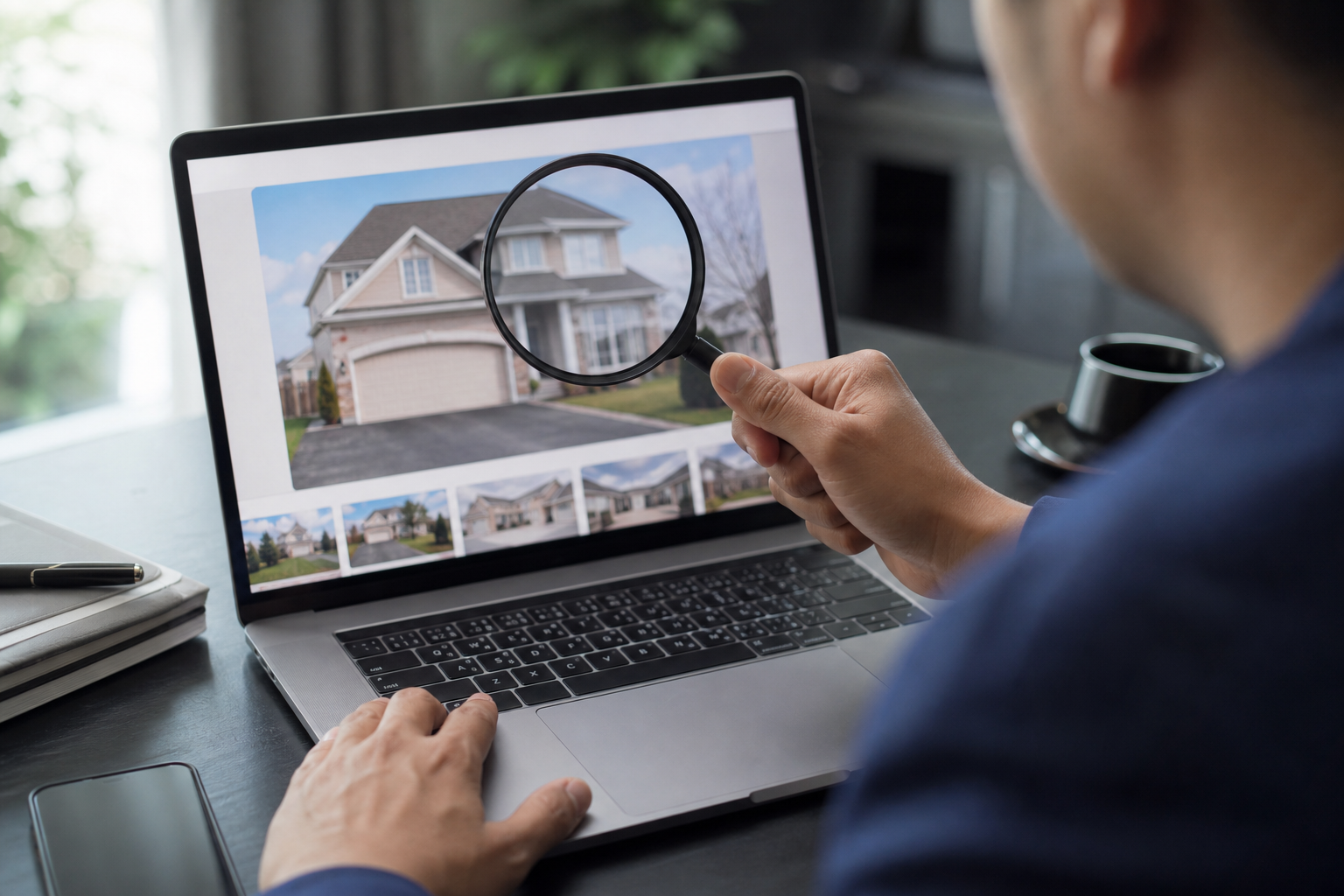
A 'stale' listing is one that has been on the market too long without sale. Stale listings may be negotiable but often conceal problems. Ask these questions to your agent and the listing representative.
Read price history in MLS and ask about past offers
Ask, "Can you show the MLS price history and tell me whether there were offers that failed, and why?"
Why: Price reduction patterns and failed offers are telling. Local articles suggest probing why a property remains unsold and whether the seller is motivated to negotiate. See PrimeHomes for tactical steps on stale listings.
Further reading: PrimeHomes: Brampton home buyer's guide on stale listings.
Ask directly: Why is this still listed?
Ask, "Has the seller received feedback from showings, and what reasons have prospects given for not proceeding?"
Why: Honest feedback can reveal material concerns, such as layout, neighbours, or hidden costs, that might not be obvious from photos.
Decision criteria for pursuing versus walking away
- Proceed if documentation is complete, defects are fixed or priced into the offer, comparables support the adjusted price, and the neighbourhood checks out.
- Walk away if the seller refuses disclosures, the agent cannot produce comparables, or inspection risks exceed reasonable repair estimates.
Physical condition red flags to spot in photos and showings
Photos and a short visit will reveal many red flags if you know where to look. Ask focused inspection questions and, when needed, book a professional inspection before you waive conditions.
Signs of water damage and structural issues
Ask, "Are there past or current water leaks in the basement or attic, and can you provide repair records?"
Look for ceiling stains, warped floors, musty odours, and patchy paint. If present, demand documentation of remedial work and consider a specialist inspection.
Mechanicals, roof, and electrical
Ask, "How old are the HVAC, water heater, and roof, and are service records available?"
Why: Mechanical replacements are high-cost items. Visible age or unsecured covers for panels and units should prompt a full mechanical inspection.
Cosmetic staging versus hidden defects
Ask, "Were any cosmetic changes made recently, and can you show before and after receipts?"
Why: Sellers sometimes perform quick staging or inexpensive fixes that hide larger problems; receipts or contractor contacts help verify work quality. For a showing checklist, see Viewit's tenant and buyer checklist.
Further reading: Viewit: the tenant's question checklist for showings.
Neighbourhood and municipal checks specific to Brampton
Local rules and planned developments can affect value and living experience. Use municipal resources and targeted questions to evaluate risks.
Check rental licensing and bylaw compliance
Ask, "Is this property registered under Brampton's rental licensing, and are all occupied units compliant?"
Where to check: The City of Brampton publishes residential rental licensing FAQs and guidance on municipal requirements. Confirm licensing and compliance before you buy if the property has rental history.
Further reading: City of Brampton: residential rental licensing FAQs.
Look for nearby development and zoning changes
Ask, "Are there known planning applications or developments nearby that could change traffic, density, or sunlight?"
Why: New developments affect noise, traffic, and future property values. Your agent can query the city planning portal or advise when to consult a planner.
Condo specific red flags and documents to verify
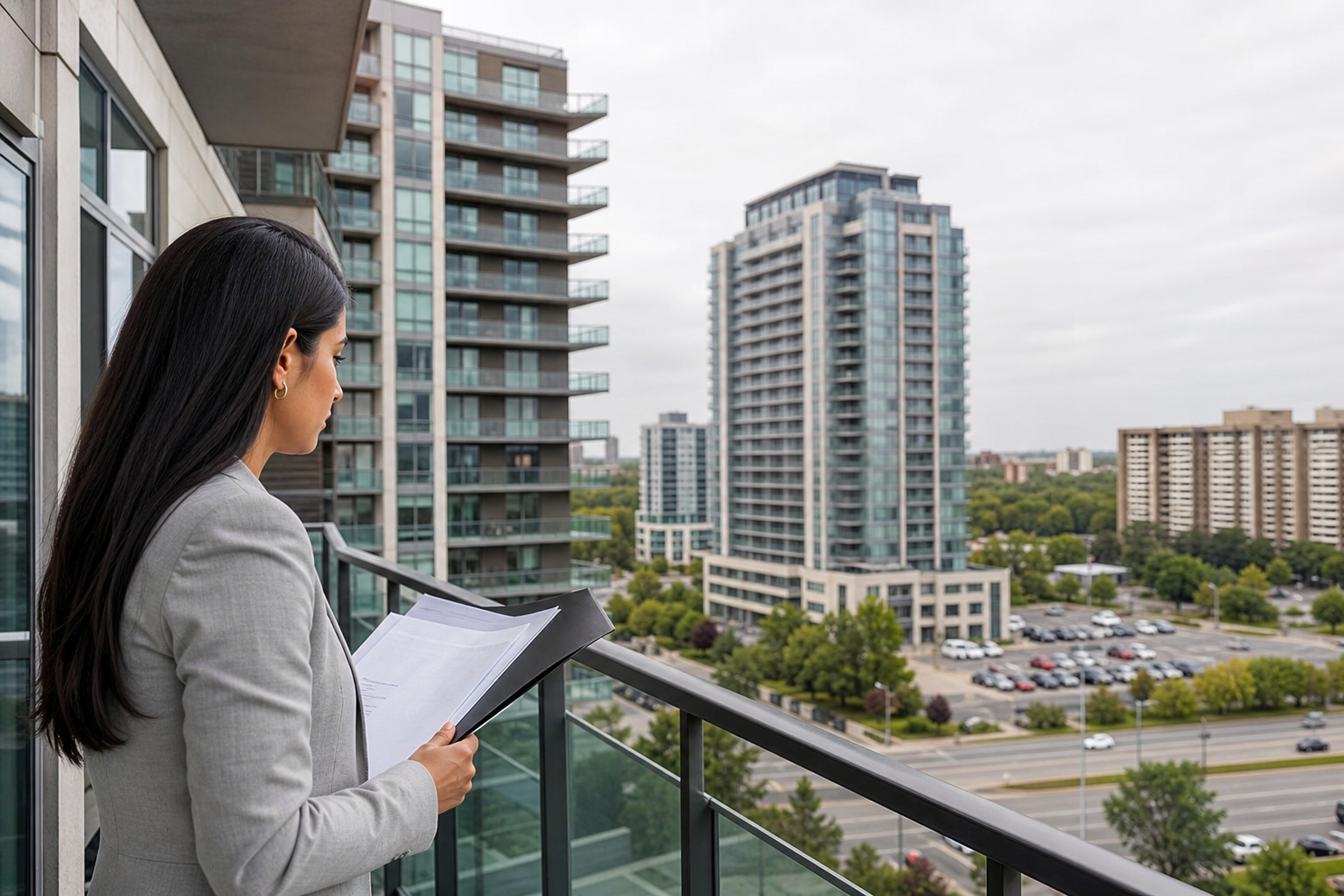
Condos have a different risk profile. Obtain these documents and watch for warning signs in meeting minutes and reserve funding.
Status certificate and condo corporation minutes
Ask, "Please order the status certificate and provide minutes from the last three board meetings."
Why: Minutes can reveal upcoming special assessments, unresolved building repairs, or disputes with the developer or contractors.
Reserve fund and litigation
Ask, "When was the last reserve fund study completed and are there any current legal actions involving the corporation?"
Why: Low reserves or ongoing litigation often lead to increased fees or special assessments that substantially raise ownership costs.
How to use a home valuation and next steps after vetting listings
Combine online valuations, a comparative market analysis, and the documentation you collected to make a reasoned decision.
Step-by-step decision checklist
- Confirm documentation is complete, including vendor declaration, tax history, permits, and for condos the status certificate.
- Compare online valuations to recent sold comparables in the same Brampton neighbourhood to establish a value range.
- Factor in repair estimates and municipal or condo risks identified by your checks.
- Decide whether to proceed with inspection conditions, a conditional offer, or walk away.
Recommended next actions
- Request missing documents in writing from the listing agent.
- Schedule a professional inspection if you see material or mechanical red flags.
- Use a local home valuation and a REALTOR's comparative market analysis for a tailored value estimate, then discuss strategy with your agent.
If you would like a no-obligation local market consult or an updated valuation for any Brampton listing, use the home valuation tool on my website or call 647-970-3508. Start at the property search and valuation pages on my site: the official website.
Frequently asked questions
What seller documents should I ask for when viewing a Brampton listing?
Ask for the seller's declaration, property tax history, recent utility bills, building permits for major work, and for a condo the status certificate and recent minutes. These documents expose known defects, tax liabilities, and condo funding issues. See Centris and Square One for common buyer questions.
How do I tell if a Brampton listing is stale and what should I ask the agent?
Check MLS for cumulative days on market and price-change history. Ask why it remains unsold, whether there were previous offers, and what feedback was received during showings. Probing the seller’s motivation helps you decide whether to pursue the property.
What condo documents are essential before deciding on a Brampton condo?
Order the status certificate, reserve fund study, recent board minutes, and any disclosure about litigation or special assessments. These items reveal upcoming costs and building health that cannot be seen in photos alone.
How accurate are online home valuations for Brampton properties?
Online valuations provide a starting point but can miss local factors such as recent renovations, lot orientation, or development plans. Combine online tools with a REALTOR's comparative market analysis and inspection results for a reliable picture.
When should I order a professional inspection or appraisal for a short‑listed listing?
Order an inspection whenever photos, disclosures, or your viewing reveal potential structural, mechanical, or water damage. Consider a professional appraisal if you need a formal value for financing or a conditional offer strategy.
For specific help evaluating any Brampton listing you find during your search, contact me for a free consultation and a tailored market analysis. Visit the official website to start your property search or request a valuation.